In this article on the next paragraphs yow will discover some amazing advice on the subject of What You Can Do to Avoid Plumbing Problems.
Introduction
Preserving a useful plumbing system is essential for a comfy home. By taking safety nets, you can stay clear of common plumbing concerns that may disrupt your day-to-day live and sustain expensive repair services.
Monitor Water Stress
Watch on your water stress to prevent stress on your pipelines and appliances. High water pressure can bring about leaks and damage with time. Consider installing a stress regulator to preserve optimal water stress throughout your home.
Educate Home Members
Enlighten everyone in your household about correct plumbing practices. Educate them what must and shouldn't be purged or thrown away away to stop avoidable plumbing problems.
Secure Pipes from Freezing
Throughout cold weather, take steps to avoid your pipes from freezing. Shield revealed pipes, particularly those in unheated locations like cellars and attic rooms. Allow taps to drip throughout freezing temperatures to stop water from freezing in the pipelines.
Address Leaks Immediately
Deal with any kind of leakages or trickles as soon as you observe them. Also minor leaks can drainage and trigger damages to your home gradually. Tighten loose installations or replace damaged seals to stop leakages from getting worse.
Normal Maintenance Checks
Routinely evaluating your plumbing system is necessary for identifying possible concerns prior to they rise. Examine pipes, faucets, bathrooms, and devices for leaks, corrosion, or indications of wear and tear.
Enjoy What You Flush
Bear in mind what you purge down your bathrooms. Stay clear of flushing items such as wipes, cotton balls, sanitary products, and paper towels, as these can create obstructions and back-ups in your pipelines.
Proper Disposal of Grease and Food Waste
Dispose of oil, oils, and food scraps appropriately to stop accumulation in your pipes. Prevent pouring oil down the tubes, as it can strengthen and cause clogs. Use a strainer in your kitchen area sink to catch food particles and vacant it frequently.
Be Gentle with Plumbing Fixtures
Avoid utilizing extreme force when operating plumbing components such as faucets and valves. Misuse can cause deterioration, leading to leaks and various other breakdowns.
Regular Drainpipe Cleansing
Set up routine drain cleansing to stop accumulation of hair, soap residue, and various other particles. Make use of a drain serpent or chemical cleaner to remove clogs and maintain smooth drain.
Install Water Softeners
Consider setting up a water conditioner if you have hard water. Hard water can create mineral buildup in your pipes and devices, leading to decreased water circulation and performance.
Conclusion
Protecting against typical plumbing concerns in your house needs diligence and regular maintenance. By adhering to these safety nets, you can make certain that your plumbing system operates efficiently and stay clear of costly repair services in the future.
What You Can Do To Avoid Plumbing Problems
Preventing Plumbing Issues: What You Can Do
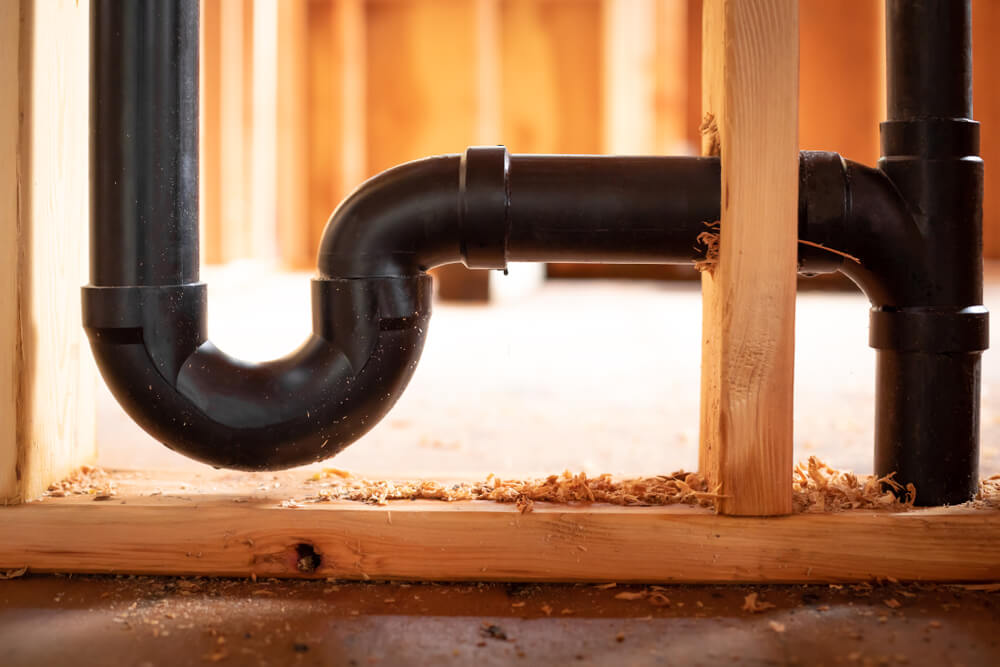
Clogged drains: In commercial and residential buildings, clogged drains are a common issue. You can avoid clogs by refraining from putting certain items and substances down the sink. Certain solids and larger items are an obvious no, but what about liquids? Grease, fats, and even starches like pasta or rice can cause clogs. The same applies to corn husks, coffee grounds, and celery. These stringy items can cause problems with your drains. Make sure you do not put any of these items down your drains. Water temperature issues: Issues with water temperature can be inconvenient and uncomfortable. They may also be a sign that there is an issue with your water heater, which you should have checked out by a professional before it escalates into a more serious problem. Check for leaks, a pilot light that may not be lit, or another visible issue. Call a local plumber to get it checked out and resolved. Sewer odors: You can prevent sewer odors by running water regularly through all your sinks and drains. The u-shaped pipes below your plumbing fixtures, which are called traps, usually keep sewer odors from traveling up into your home or commercial building. If the pipes dry out, the odors may start to travel through. If you notice sewage odors in a drain you don’t use often, try running some water down and through. Clogged toilets: The best way to prevent toilet clogs is by only flushing human waste and toilet paper. Feminine products, hair, medication, dental floss, and even flushable wipes can cause clogs. Most minor clogs can be fixed with a plunger, but if you notice constant clogging or cannot fix a clogged toilet with a plunger, give your local plumber a call. Fixture leaks: The majority of fixture leaks are caused by wear and tear to o-rings, washers, or seals. While wear is normal and can’t really be prevented altogether, you can help by drying fixtures and their seals after use. If you notice any amount of water leaking, it’s important to check it out and call in a professional to get it fixed. Even a small leak can add up to a big waste of water. https://www.jdservicenow.com/blog/what-you-can-do-to-avoid-plumbing-problems/
As an enthusiastic person who reads on Tips on How to Prevent Plumbing Issues in Your House, I figured sharing that portion was essential. Are you aware of somebody who is serious about the topic? Please feel free to share it. We love reading our article about Expert Tips for Preventing Common Plumbing Issues.
Contact Us